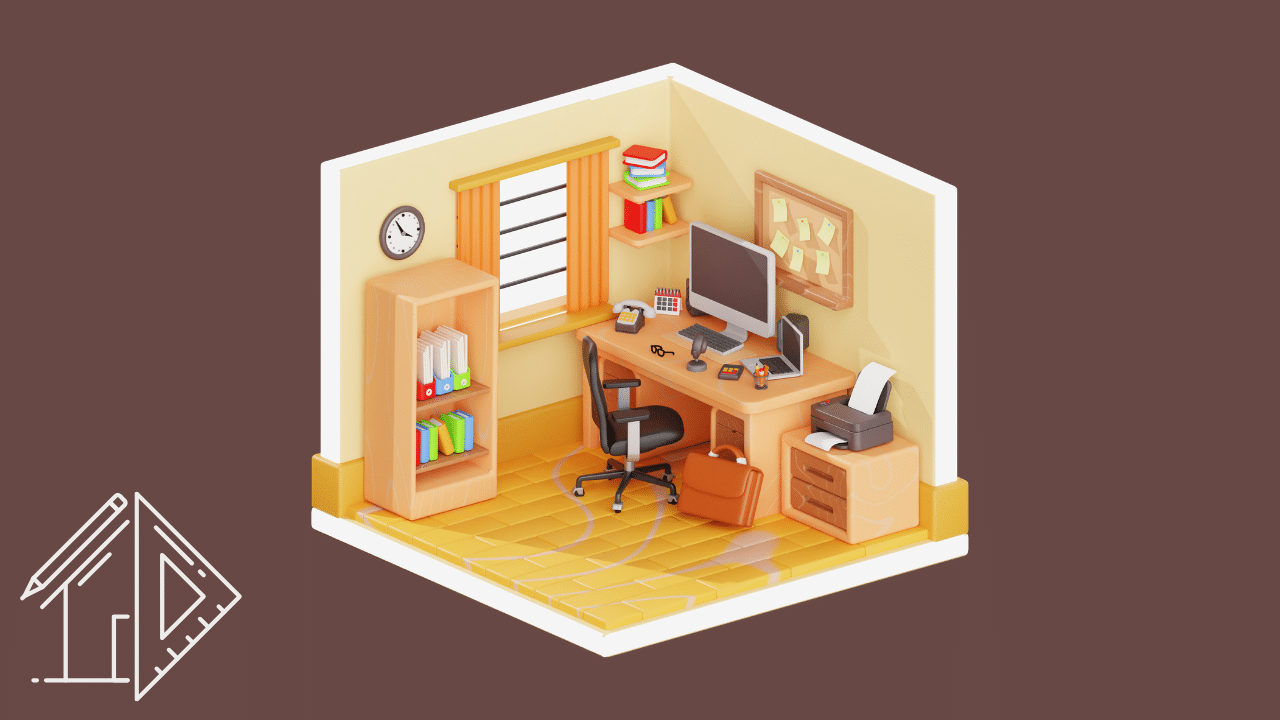
A well-designed home office can change the way you work every day. It can improve focus, reduce stress, and help you separate professional tasks from personal life, even when both happen under the same roof. That is why planning your workspace carefully is worth the effort, especially if you want comfort, efficiency, and a clean visual style. In this comprehensive guide to interior home office design, you’ll learn how to build a productive workspace that fits your life.
The best home office is not simply a desk in a spare corner. It should support your workflow, your posture, and your daily routine. Good lighting, smart storage, and a layout that matches your habits can turn even a small room into a highly effective workspace. If you are looking for practical ideas, it helps to explore interior home office design and think about how each detail can improve the room.
Why the layout matters to build a productive workspace
The layout is the foundation of a successful office. Before choosing colors or decor, it is important to decide where the desk, chair, shelves, and technology will go. A good layout keeps the main work area clear and makes movement around the room easy and natural.
If your office is small, every centimeter matters. In that case, the desk should be placed near a power source and, if possible, near natural light. In a larger room, you may want to divide the space into zones: one for focused work, one for storage, and one for reading or calls. This helps the room feel organized instead of crowded.
Comfort and ergonomics: Interior home office design
A beautiful office is useful only if it also feels comfortable. Ergonomics should be one of the first things you consider. A chair with proper lumbar support, a desk at the right height, and a monitor positioned at eye level can make a major difference over time.
Poor posture can lead to fatigue, neck pain, and lower productivity. That is why home office furniture should not be chosen only for style. It should support healthy working habits throughout the day. Even small accessories, such as a footrest, monitor arm, or keyboard tray, can improve comfort significantly.
Lighting makes a difference
Lighting is often underestimated, but it has a strong impact on energy and concentration. Natural light is ideal because it reduces eye strain and creates a more pleasant atmosphere. If possible, place your desk near a window without letting sunlight create glare on your screen.
Artificial lighting should complement daylight, not replace it poorly. A combination of overhead lighting, a desk lamp, and softer ambient light usually works best. Warm light can make the room feel more comfortable, while neutral light is often better for detailed tasks. The goal is to create a space that feels bright without becoming harsh.
Storage and organization to build a productive workspace
Clutter can quickly ruin even the most stylish office. To stay productive, your workspace needs a clear system for organizing documents, cables, office supplies, and devices. Closed cabinets are useful for hiding visual noise, while open shelves can display books or decorative elements.
The best storage solution depends on how you work. If you use many papers, you will need folders, trays, and easy-access drawers. If most of your work is digital, you may need less storage but more cable management. The more organized the space is, the easier it becomes to concentrate.
Style and atmosphere – Interior home office design
A home office should feel professional, but it should also reflect your personality. Some people prefer a clean minimalist style with neutral colors and simple furniture. Others work better in a warm space with wood textures, plants, and personal details.
Color affects mood more than many people realize. Soft greens and blues can create a calm atmosphere, while beige, gray, and white give the room a clean and balanced look. A single accent color can add energy without making the room feel busy. Artwork, plants, and decorative objects can also make the office feel less rigid and more inviting.
Adapting to different spaces
Home offices do not always have the luxury of a separate room. Sometimes they must fit into a bedroom, living room, hallway, or even a corner of the kitchen. That does not mean the space cannot work well. In fact, compact solutions are often the most creative.
A foldable desk, wall-mounted shelves, or a partition screen can help define the workspace without taking up too much room. In multifunctional homes, flexible furniture is especially valuable. A room can serve as a workspace during the day and become a relaxation area in the evening with the right design approach. When one room does both jobs, small end-of-day cues, such as closing the laptop or switching off the desk lamp, make it easier to treat the evening as your own. For ideas on what to do with that time, see our guide on how to spend your free time so it feels worth it.
Interior home office design: Planning before buying
One of the smartest ways to design a home office is to plan it before purchasing furniture. This avoids mistakes and makes it easier to compare different arrangements. A digital layout can show whether a desk is too large, whether a shelf blocks movement, or whether the lighting is positioned correctly.
Planning also helps when you want to upgrade the room over time. You may start with the essentials and later add more storage, better lighting, or custom décor. By thinking ahead, you build a workspace that can evolve with your needs.
Final thoughts
A home office should make work easier, not harder. When the layout is practical, the furniture supports your body, and the atmosphere feels right, the room becomes a place where ideas flow more naturally. Good design is not about luxury for its own sake; it is about creating a space that helps you do your best work every day.
Whether you are setting up a small corner or designing a full office room, careful planning always pays off. The right decisions today can lead to better focus, better comfort, and a more enjoyable work-from-home experience for years to come.