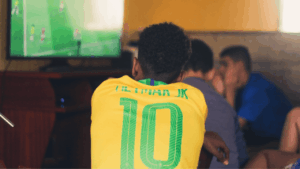
Having nothing to do rarely means there is nothing you could do. Most of us have a phone full of apps, a queue of shows and a few half-started hobbies. The problem is that none of it feels worth doing right now, so free time slips into scrolling and ends with the vague sense that it was wasted.
That feeling has a name and a good amount of research behind it. This guide covers what to do when you have nothing to do: why free time can feel empty, how much downtime actually makes people happier, and how to spend your free time on activities that fit the minutes and energy you really have, whether that is a ten-minute break between tasks or a whole evening with no plans.
Short answer: Feeling like there is nothing to do usually means nothing within reach matches what you need in that moment: rest, stimulation, connection or a sense of progress. Name the one you want, then pick an activity sized to the time you have. A short walk, a small creative task, a call with a friend or a game with a clear end point will usually leave you feeling better than open-ended scrolling.
Key takeaways
- Boredom is less about having no options and more about being unable to engage with the options you have.
- In a study of more than 35,000 Americans, well-being rose with free time up to about two hours a day, held steady to about five, then dipped, mainly when the extra time felt unproductive or was spent alone.
- Treating leisure time as wasted time makes people enjoy it less.
- Breaks of up to ten minutes measurably raise energy and reduce fatigue, so short gaps in the day are worth using well.
- Match the activity to your available time and energy instead of defaulting to whatever is closest, and if you work at a screen, make at least some of your free time screen-free.
Table of contents
- What “Having Nothing to Do” Really Means
- Why Free Time Can Feel Wasted
- How to Choose What to Do in Your Free Time
- Free Time Activities That Actually Recharge You
- Free Time Ideas If You Work at a Screen All Day
- How to Stop Defaulting to the Same Thing
- When Nothing Feels Worth Doing for Weeks
- The New Meaning of Having Nothing to Do
- Questions About Boredom, Downtime and How Much Free Time You Need
What “Having Nothing to Do” Really Means
The phrase sounds like a description of an empty schedule, but it usually describes an empty match. You may have plenty of ways to spend your free time, yet none of them feels interesting, useful or satisfying at that moment. Psychologists who study boredom describe it in almost exactly those terms. John Eastwood and colleagues define it as the uncomfortable state of wanting to engage with something satisfying and not being able to (Perspectives on Psychological Science, 2012). The options are there. The engagement is not.
Unstructured time is also harder to sit with than most people expect. In a 2014 study published in Science, Timothy Wilson’s team asked participants to spend 6 to 15 minutes alone in a room with nothing to do but think. Most disliked it, and when given the option, 67% of the men and 25% of the women gave themselves at least one mild electric shock rather than sit quietly with their thoughts. That helps explain why an empty half hour so often gets filled by the nearest screen, even when the screen is not what we wanted.
Why Free Time Can Feel Wasted
Most adults have more leisure time than it feels like. The US Bureau of Labor Statistics’ American Time Use Survey found that people aged 15 and older averaged about 5.1 hours of leisure a day in 2024, and that watching TV took up 2.6 hours of it, more than half. Adults aged 35 to 44 had the least, at 3.8 hours a day. For many people, the issue is less the amount of free time and more how it gets spent and how they feel about it afterward.
More Free Time Is Not Always Better
In a 2021 paper in the Journal of Personality and Social Psychology, Marissa Sharif, Cassie Mogilner and Hal Hershfield analyzed time-use and well-being data from more than 35,000 Americans. In their study on having too little or too much free time, well-being rose as discretionary time increased up to about two hours a day, stayed roughly level until about five hours, and then started to fall.
The dip was not inevitable. In follow-up experiments, people imagining seven free hours a day expected to feel worse when that time went to unproductive activities, but not when it went to something that felt productive, such as exercise or a hobby. In the survey data, time spent with other people did not show the decline at all. The lesson is not to fill every evening with tasks. It is that free time tends to feel best when some of it builds toward something or connects you with someone.
Calling Leisure “Wasteful” Makes It Worse
How you think about downtime matters too. In research published in the Journal of Experimental Social Psychology in 2021, Gabriela Tonietto, Selin Malkoc, Rebecca Reczek and Michael Norton found that people who see leisure as a waste of time enjoy it less, whether the activity is exercise, TV, socializing or meditation. The same belief was linked to lower happiness and higher levels of depression, anxiety and stress. In one of their studies, the drop in enjoyment hit purely fun activities, like a party, harder than leisure tied to a responsibility, like trick-or-treating with your kids. If you only let yourself relax once relaxing becomes “useful,” you end up enjoying neither the rest nor the work.
Default Scrolling Rarely Leaves You Restored
Passive activities are not bad, but they are rarely what we remember as good free time. In a classic 1989 study, Mihaly Csikszentmihalyi and Judith LeFevre found that people experienced flow, the absorbed state where time seems to disappear, far more often at work than during leisure, and that passive leisure such as watching TV was among the least engaging parts of the day.
Phones make that default even stronger. Feeds, autoplay and notifications are built so the next minute of use takes no effort, and that is exactly what app teams measure and optimize. Our piece on how mobile apps are designed for retention covers that thinking from the designer’s side. None of this makes scrolling wrong. It means open-ended scrolling, or doomscrolling when the feed is bad news, usually wins by convenience rather than because it is what you wanted, so the choice is worth making before you unlock the phone.
How to Choose What to Do in Your Free Time
Before picking an activity, answer two quick questions. How much time do I really have? And what do I need right now: rest, stimulation, connection or a sense of progress? Those two answers rule out most options and make the rest easier to see.
Short breaks deserve more respect than they get. A 2022 meta-analysis in PLOS ONE by Patricia Albulescu and colleagues found that micro-breaks of up to ten minutes reliably raised energy and reduced fatigue, although their effect on performance depended on the kind of work. If you work from home, building short, structured breaks into the workday also takes pressure off your evenings, because you are not trying to recover from eight straight hours in one go.
| Time available | If you need rest | If you need stimulation | If you want progress or connection |
|---|---|---|---|
| 5 to 10 minutes | Slow breathing or sitting by a window | A quick puzzle or one round of a casual game | Reply to a message you have been putting off |
| 15 to 30 minutes | A walk around the block | A video or podcast episode you chose on purpose | Sketch, journal or practice one small skill |
| 1 to 2 hours | A longer walk, or a nap with an alarm | A film, a game session or a long read | Cook something new or meet a friend |
| A free evening or weekend | A screen-free hour outdoors | A museum, live music or a part of town you have never explored | A project you can watch grow over several weeks |
Treat the table as a starting menu, not a rule. Save your own version in your phone’s notes, so the next time free time opens up you choose from a list instead of from whatever app sits on your home screen.
Free Time Activities That Actually Recharge You
These free time activities cover very different moods and time slots, so they double as a list of things to do when bored. None of them needs to be impressive or productive to count.
1. Go for a Short Walk, Ideally Somewhere Green
A walk is the simplest reset after hours of sitting indoors or looking at a screen. It changes your surroundings, gets your body moving and asks very little of you, which makes it a good option when you want something active but not demanding. Where you walk matters as well. In a 2015 study in PNAS, Gregory Bratman and colleagues found that a 90-minute walk in a natural area reduced rumination, the repetitive negative thinking linked to low mood, while a similar walk along a busy road did not.
You do not need a forest. A tree-lined street, a park or a riverside path is a good start, and even ten minutes gives your day a natural pause. Leave the headphones at home now and then, so your mind gets a break from input as well as from your desk.
2. Make Something Small
Free time is a good opportunity to make something simply because you enjoy doing it. Sketching, writing a page in a journal, papercraft or cooking give your hands and mind something to work on together, and you finish with a small result you can actually see.
Keep the bar low. A two-minute doodle counts, and focusing on the process is enough to make it worthwhile. Small creative hobbies also deliver the sense of progress that the Sharif study linked to better well-being, without turning your evening into a second job.
3. Spend a Few Minutes Meditating
Some free moments call for less stimulation, not more. Sitting quietly for a few minutes and following your breathing gives the break a clear shape and helps you notice how tense or distracted you feel, which makes it easier to decide what to do next. If sitting still feels uncomfortable at first, that is normal, as the Wilson study showed. Start with two or three minutes, or use a guided session.
4. Spend Time With Someone
Social time was the one category in the Sharif study where more free time kept being linked to higher well-being. It does not need much planning. A call while you walk, coffee with a neighbor, a game night or a message to a friend you have not spoken to in months all count. When a weekend starts to feel like it has nothing in it, inviting someone along is often the fastest way to change that.
5. Watch Videos on Purpose
Online videos are a convenient option when you want to pass the time without taking on anything demanding. The difference is in how you start. Pick what you want to watch before you open the app, set an end point such as one episode or two videos, and choose content that leaves you with something: a recipe, a documentary, a tutorial or a comedian you love. Watching with intention keeps a 20-minute break from turning into a lost evening.
6. Play a Game That Ends When Your Break Does
Casual mobile games can help you unwind after work because they give your attention something completely different to focus on. Puzzle games, word games and short strategy rounds fit five- to fifteen-minute breaks, while life simulation and farming games offer a slower, open-ended pace when you have a free evening.
Look for games with natural stopping points. Energy timers, daily streaks and limited-time events are designed to pull you back in, and they can quietly turn a short break into a long one.
Casino-Style Games Are a Different Category
Online casino games can look like casual games on a phone screen, but they work differently. Slots such as Super Ace are fast-paced, chance-based and played for real money. Getting absorbed in Super Ace gameplay can hold your attention, but every spin is a wager, and the odds favor the house over time. At the time of writing, the game’s page lists a theoretical return to player of 94.55%, which means the game is designed to keep about 5.45% of the money wagered over the long run.
If you choose to play, treat it as paid entertainment rather than a way to relax or recover from a stressful day. Set your spending and time limits before you start, stop when you reach either one, and never play to win back losses. Gambling to escape stress or a bad mood is one of the warning signs that gambling support services highlight. Real-money play is only for adults in places where it is legal, and the platform linked above is regulated by PAGCOR for players aged 21 and over in the Philippines. Our article on the impact of prolonged slot gaming explains what long sessions can cost in money, sleep and relationships.
Editorial note: Visualmodo has no commercial relationship with FUNaloMAX or JILI and was not paid to mention Super Ace. We use it only as an example of how casino-style games differ from casual mobile games, and because its game page publishes a return-to-player figure that makes the cost of play easy to see.
7. Let Yourself Be Bored for a While
Not every gap needs filling. In a 2014 study in the Creativity Research Journal, Sandi Mann and Rebekah Cadman found that people who first did a dull task, copying numbers from a phone book, came up with more creative uses for a pair of plastic cups than people who skipped it. A few minutes of letting your mind wander, on a bus, in a queue or before you reach for your phone, is often when ideas show up.
Free Time Ideas If You Work at a Screen All Day
If your job happens on a screen, as it does for most designers, developers, writers and remote workers, spending every break on another screen gives your eyes and attention very little real change. That may be why a break spent on your phone can end with you feeling as tired as when it started. A few adjustments help.
- Follow the 20-20-20 rule. The American Academy of Ophthalmology suggests looking at something about 20 feet away for 20 seconds every 20 minutes to ease digital eye strain.
- Make at least one break a day screen-free. A walk, a stretch or a coffee by the window all count.
- Pick hobbies that use your hands differently. Cooking, gardening, an instrument or drawing on paper feel very different from a keyboard and mouse. If you design for a living, sketching for fun with no client and no feedback round can feel like a different activity altogether.
- Mark the end of the workday. Close the laptop, switch off the desk lamp or move to another seat, so the evening feels like your own time. If you work from home, the way you lay out your space helps here too, and our guide to designing a productive home office shows how one room can work by day and relax by night.
How to Stop Defaulting to the Same Thing
Knowing what to do in your free time is the easy part. Doing it when you are tired and the phone is right there is harder. A few small habits make the better choice the easier one.
- Decide before the break starts. Choosing during the break means choosing while tired, which is when the closest option wins.
- Keep a short free time menu. A note on your phone, sorted by how long each option takes, removes the search.
- Add a little friction to automatic apps. Move them off the home screen or set a daily limit with your phone’s screen time tools.
- Make the good option visible. Leave the sketchbook on the table, the walking shoes by the door and the book on the couch.
- Check in afterward. Ask whether the activity gave you what you needed. After a week or two, the pattern shows you what to keep.
When Nothing Feels Worth Doing for Weeks
Ordinary boredom passes once you find something that fits. Losing interest or pleasure in almost everything, most days, for two weeks or longer is different. It is one of the core symptoms doctors look for when assessing depression, and it deserves a conversation with a doctor or mental health professional rather than a better list of hobbies.
The New Meaning of Having Nothing to Do
Having nothing to do no longer describes an empty calendar. It describes a gap between what is available and what you need in that moment. Name the need, size the activity to the time you have, and stop treating rest as something you must justify. Free time does not have to be productive to be worthwhile, but it does feel better when you choose it on purpose.
Questions About Boredom, Downtime and How Much Free Time You Need
Start by naming what you need: rest, stimulation, connection or a sense of progress. Then pick something that fits the time you have, such as a short walk, a quick sketch, a call with a friend or a game with a clear end point. Deciding before you pick up your phone keeps the time from disappearing into scrolling.
Because boredom is usually about engagement, not availability. Researchers describe it as wanting to do something satisfying and not being able to connect with anything on offer. Matching the activity to what you need in that moment, rather than to what is closest, usually solves it.
A 2021 study of more than 35,000 Americans by Sharif, Mogilner and Hershfield found that well-being rose with free time up to about two hours a day, stayed roughly level until about five hours, and then declined. The decline was smaller or absent when the time was spent on productive or social activities.
Pick something with a clear end: a short walk, a few minutes of slow breathing, a quick sketch, a single puzzle or one message to a friend. A 2022 meta-analysis found that breaks of up to ten minutes reliably raise energy and reduce fatigue.
No. Rest is a legitimate use of free time, and people who see leisure as wasteful tend to enjoy it less and report more stress, anxiety and depression. Short stretches of boredom can even help creativity. It becomes a concern only if you lose interest in almost everything for weeks, which is worth raising with a doctor.
Choose activities that move your eyes and hands away from the screen: a walk, cooking, gardening, an instrument or drawing on paper. Follow the 20-20-20 rule during the workday, make at least one break a day screen-free, and mark the end of work by closing the laptop or changing rooms.
Decide what you will do before the break starts, keep a short list of options in your notes, move your most automatic apps off the home screen and use your phone’s screen time limits. Making the alternative visible, such as a book on the couch or shoes by the door, helps more than willpower alone.
How this article was researched: Time-use figures come from the US Bureau of Labor Statistics’ American Time Use Survey 2024 results. The free time and well-being findings come from Sharif, Mogilner and Hershfield (Journal of Personality and Social Psychology, 2021) and Tonietto, Malkoc, Reczek and Norton (Journal of Experimental Social Psychology, 2021). Boredom research cited includes Eastwood and colleagues (Perspectives on Psychological Science, 2012), Wilson and colleagues (Science, 2014) and Mann and Cadman (Creativity Research Journal, 2014). Break and nature findings come from Albulescu and colleagues (PLOS ONE, 2022) and Bratman and colleagues (PNAS, 2015), and the 20-20-20 rule from the American Academy of Ophthalmology. Last reviewed October 2026. This article is general information, not medical advice.